Latest Updates

Address Intelligence Insights &
Resources

Stay ahead of ISO 20022 migration with expert analysis, technical deep-dives, and strategic guidance on structured address resolution for global payments.

Knowledge Base

Latest Articles

How to Evaluate an ISO 20022 Address Solution: The 25-Criterion Framework
ISO 20022

How to Evaluate an ISO 20022 Address Solution: The 25-Criterion Framework

Every address-solution vendor scores itself 5/5. Here is the open 25-criterion framework — with a 70-question evidence protocol and risk-adjustment model — to evaluate any ISO 20022 address solution before the 15 November 2026 deadline.

P
Parth Desai Jul 2026 · 19 min read
The Anatomy of an ISO 20022 Address Solution: Four Paths, Four Building Blocks, One Deadline
ISO 20022

The Anatomy of an ISO 20022 Address Solution: Four Paths, Four Building Blocks, One Deadline

97% of payment traffic runs on MX, but ~60% of addresses are still unstructured. Four paths to ISO 20022 compliance before the 15 Nov 2026 deadline.

P
Parth Desai Jun 2026 · 11 min read
Six Months Out: ISO 20022 Address Data Just Stopped Being a Bank Problem
ISO 20022

Six Months Out: ISO 20022 Address Data Just Stopped Being a Bank Problem

Between February and May 2026, the PMPG quietly reframed the November 2026 cutover. Compliance is the easy part. The hard part is bank-corporate data quality — and it's now a shared problem.

P
Parth Desai Jun 2026 · 14 min read
ISO 20022 Structured Address (PstlAdr): 14 Elements & 6 Rules
ISO 20022

ISO 20022 Structured Address (PstlAdr): 14 Elements & 6 Rules

The ISO 20022 structured address decoded: the 14 PstlAdr elements CBPR+ regulates, 3 compliant address modes, and the 6 validation rules every pipeline must enforce before the Nov 2026 cutover.

P
Parth Desai May 2026 · 15 min read
ISO 20022 Postal Address Fields (PstlAdr): TwnNm, Ctry, and AdrLine Reference
ISO 20022

ISO 20022 Postal Address Fields (PstlAdr): TwnNm, Ctry, and AdrLine Reference

Sanctions, AML, KYC, Travel Rule — how ISO 20022 structured addresses cut false positives 25–30%, expose shell company networks, and transform audit evidence.

P
Parth Desai May 2026 · 62 min read
Why 99% of Sanctions Screening Alerts Are False Positives
ISO 20022

Why 99% of Sanctions Screening Alerts Are False Positives

99% of sanctions screening alerts are false positives. Poor address data quality is the root cause most guides miss — and structured ISO 20022 addresses cut them 25–30%.

P
Parth Desai May 2026 · 11 min read
Cross-Border STP Rate: From 40% to 98% (What It Means)
ISO 20022

Cross-Border STP Rate: From 40% to 98% (What It Means)

The industry-average straight-through processing rate for cross-border payments is 40%. What climbing to 98%+ STP means in dollars, headcount, and compliance.

P
Parth Desai May 2026 · 9 min read
The Compliance Dividend: How ISO 20022 Structured Addresses Transform Financial Crime Compliance
ISO 20022

The Compliance Dividend: How ISO 20022 Structured Addresses Transform Financial Crime Compliance

Sanctions, AML, KYC, Travel Rule — how ISO 20022 structured addresses cut false positives 25–30%, expose shell company networks, and transform audit evidence.

P
Parth Desai Apr 2026 · 17 min read
The $8–12 Billion Address Problem in Global Payments
ISO 20022

The $8–12 Billion Address Problem in Global Payments

What address-related payment exceptions actually cost — and the path from 40% to 98%+ STP

P
Parth Desai Apr 2026 · 13 min read
ISO 20022 Sidecar Architecture: One Integration, Full Compliance
ISO 20022

ISO 20022 Sidecar Architecture: One Integration, Full Compliance

The sidecar architecture that delivers ISO 20022 structured addresses without core banking changes. Same integration, configurable output. 10–16 weeks to production.

P
Parth Desai Apr 2026 · 12 min read
Same Effort, Better Outcome: The Case for Structured Addresses by Default
Address Intelligence

Same Effort, Better Outcome: The Case for Structured Addresses by Default

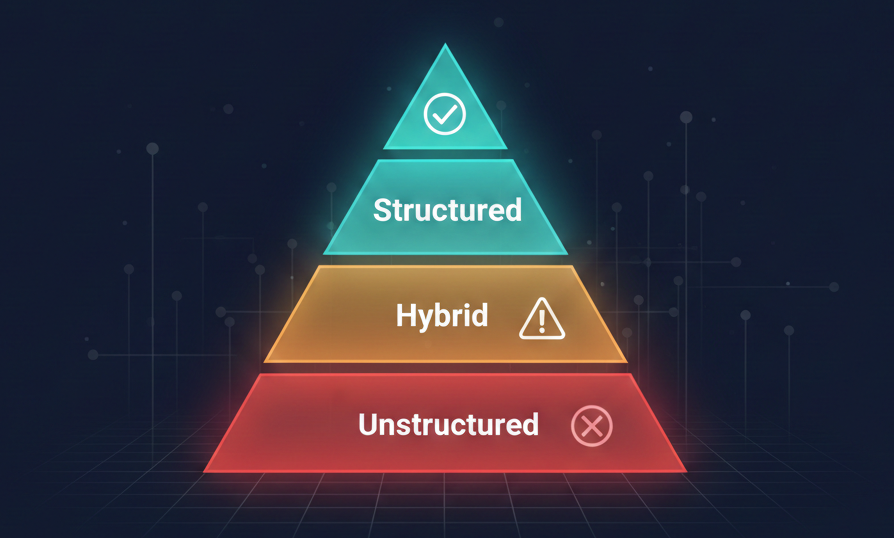
Structured and hybrid ISO 20022 addresses require identical implementation effort. Here's why defaulting to structured delivers 30–50× better outcomes.

P
Parth Desai Apr 2026 · 10 min read
ISO 20022: This Time, Let's Get Payments Data Right
Insights

ISO 20022: This Time, Let's Get Payments Data Right

The ISO 20022 migration is the payments industry's best chance in thirty years to fix cross-border data quality. With coordinated mandates and production-proven technology, the opportunity extends far beyond compliance. The question is whether we seize it — or settle for "good enough" again.

P
Parth Desai Mar 2026 · 3 min read
The ISO 20022 Paradox: Why Message Migration Is the Easy Part
ISO 20022

The ISO 20022 Paradox: Why Message Migration Is the Easy Part

The payments industry declared victory on ISO 20022 adoption. But format compliance without data readiness is a pattern I’ve watched repeat for 30 years—and it always ends the same way.

P
Parth Desai Mar 2026 · 5 min read
November 2026: The ISO 20022 Deadline That Changes Everything
Address Intelligence

November 2026: The ISO 20022 Deadline That Changes Everything

SWIFT stops accepting unstructured addresses. EPC schemes start rejecting. And the implementation window is already shorter than most institutions realise.

P
Parth Desai Mar 2026 · 6 min read
Structured vs. Hybrid Addresses: Why It's Not Either/Or
ISO 20022

Structured vs. Hybrid Addresses: Why It's Not Either/Or

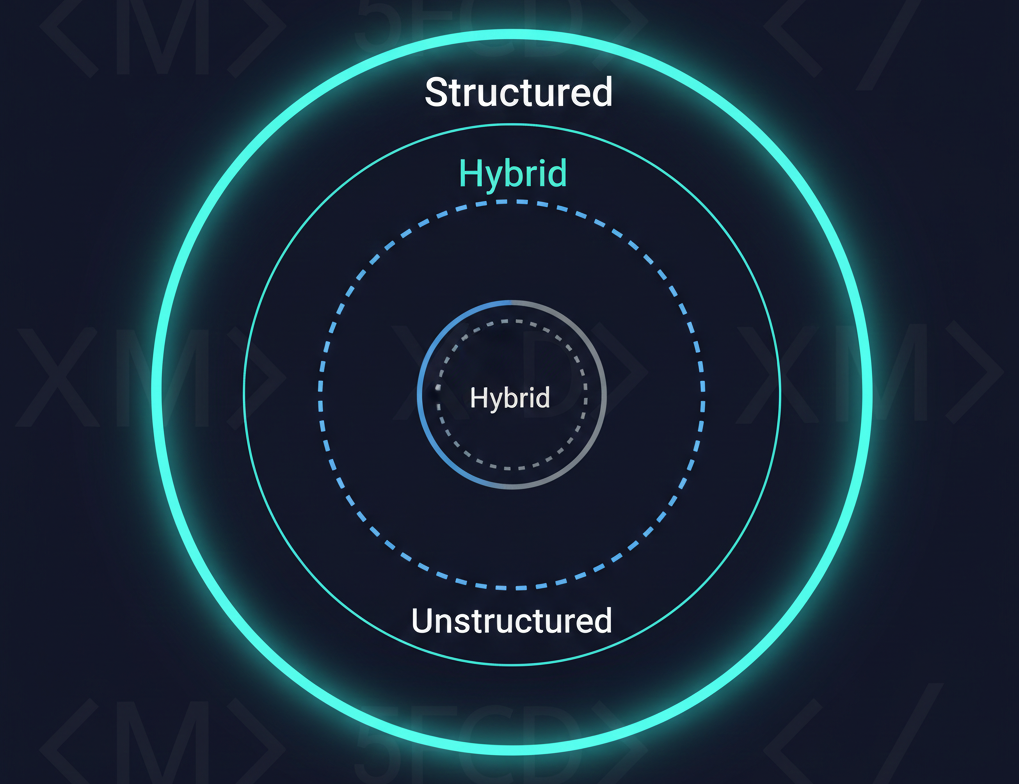
The industry frames hybrid vs. structured as parallel options. They're not. Hybrid is a subset of structured. Here's what that means for your ISO 20022 migration.

P
Parth Desai Mar 2026 · 8 min read
What Regulators Actually Require: EPC, SWIFT, and CPMI Decoded
ISO 20022

What Regulators Actually Require: EPC, SWIFT, and CPMI Decoded

Structured addresses are mandated under ISO 20022. Hybrid is the minimum fallback — not an equal alternative. Here's exactly what EPC 153-22, SWIFT CBPR+, and CPMI Requirement #11 require, with direct citations.

P
Parth Desai Mar 2026 · 8 min read